The Connection Between Curiosity And Random Selection
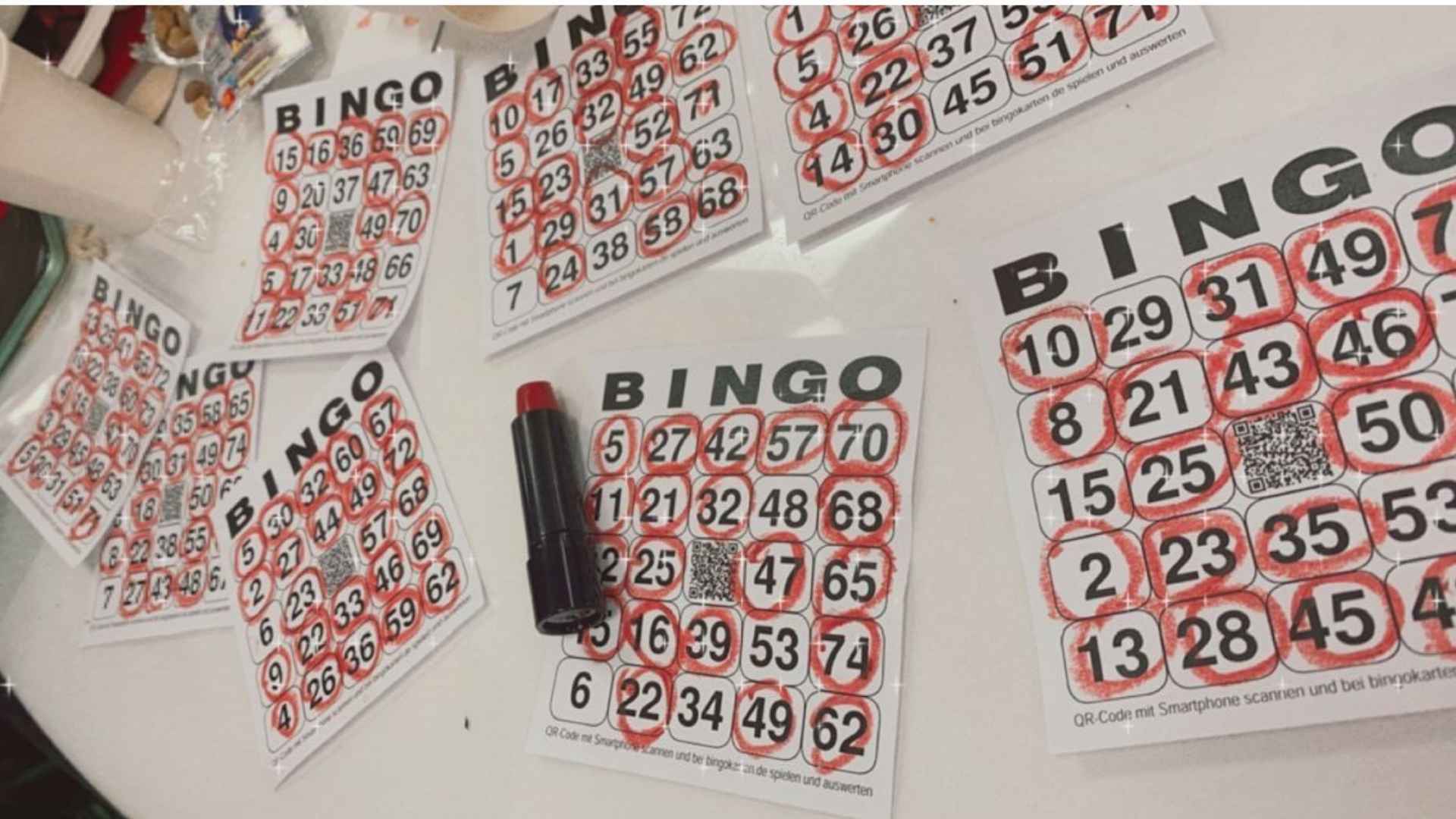
Human behavior is heavily driven by the desire to uncover the unknown, an innate trait known as curiosity. When people encounter scenarios governed by random selection, this psychological urge intensifies as the mind attempts to forecast unpredictable outcomes. The intersection of these two concepts reveals how our brains process anticipation and why chance-based mechanics remain universally fascinating.
The Cognitive Draw of Unpredictable Mechanics
Curiosity thrives on information gaps, which naturally occur when the final outcome of an event is entirely hidden. When a system relies on automated drawing or randomized chance, the brain is forced into a heightened state of active exploration. This mechanical uncertainty grips human attention much longer than static or entirely predictable routines.
Neuroscientific studies suggest that our minds receive a distinct chemical surge during the waiting period before a reveal. This internal motivation transforms a basic mathematical process into an emotionally engaging event for participants. Consequently, individuals find themselves drawn back to randomized setups simply to satisfy their urge to find out what happens next.
How Anticipation Modulates Our Reward Systems
The human brain is naturally engineered to seek out patterns and predict future scenarios based on current environments. When a random selection tool delays its final result, it amplifies our internal level of anticipation significantly. This psychological suspense is often considered more mentally stimulating than the actual reward received at the end of the process.
Many modern digital platforms build their entire engagement framework around these specific principles of human behavior. For instance, gaming systems and digital interactive utilities like the link m88 platform rely on transparent probability mechanics to sustain active user interest over extended sessions. By giving up deliberate control to an unbiased generator, users experience a unique sense of relief blended with excitement.
The Analytical Drive to Decode Random Outcomes
Even when a system is completely driven by chaotic probability, observers instinctively look for an underlying structure. This cognitive habit frequently leads to the development of personal superstitions, unique timing rituals, and complex theories regarding luck. Our deep-seated curiosity compels us to find meaning within mathematical distributions that have no memory or intent.
This ongoing search for order explains why near-misses trigger such massive emotional investments from participants. Falling just short of a desired outcome encourages the mind to simulate alternative scenarios, thinking success was almost guaranteed. This psychological trick keeps our interest alive, ensuring that the next random rotation feels just as compelling as the first one.
Practical Applications in Modern Experience Design
Understanding the tight bond between curiosity and random choices allows creators to build highly interactive environments. Educators, application developers, and event coordinators frequently implement randomized selection to break up routine tasks. By turning standard options into a visual game of chance, they successfully eliminate decision fatigue among participants.
Ultimately, surrendering choices to a randomized mechanic introduces a harmless element of adventure into a heavily structured world. It serves as a great reminder that human curiosity does not always require logical progression to remain satisfied. Embracing the unpredictable elements of life simply keeps our shared experiences lively and genuinely memorable.